ByJohn A
How Digital Ownership Works With NFTs
Digital ownership with NFTs rests on tokens recorded on a blockchain that certify provenance, rights, and transfer history. Each token links to a specific asset or access right, with metadata and smart contracts enforcing display, sale, and reuse terms. Wallets secure keys; marketplaces provide verifiable provenance and auditable histories. Automated royalties and interoperable metadata create transparent frameworks for autonomy and market discipline. The implications for rights, compliance, and cross‑ecosystem movement demand careful consideration before proceeding.
What NFTs Are and Why Ownership Matters
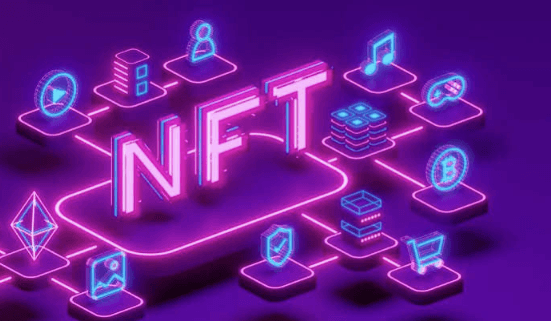
Non-fungible tokens (NFTs) are unique digital assets verified on a blockchain, assigning verifiable ownership to specific items such as art, collectibles, or access rights.
The underlying framework clarifies ownership implications, delineating who may claim, display, or commercialize assets.
Clear transfer rights govern movement across ecosystems, reducing ambiguity while enabling market discipline and policy alignment with user autonomy and digital property protections.
See also: AI in Personalized Learning Paths
How Blockchain and Metadata Prove Ownership
Blockchain and metadata work in tandem to establish verifiable ownership by recording provenance, rights, and transfer events on an immutable ledger.
The analysis emphasizes blockchain semantics and provenance methods as core mechanisms, ensuring transparent custody and auditable history.
Metadata schemas, when consistently applied, support interoperability, while ownership cryptography underpins access control and non-repudiation within trusted ecosystems.
Royalties, Provenance, and Transfer Rights
The analysis addresses royalty mechanics and provenance tracking, emphasizing transparent entitlement disclosures, automated split schedules, and enforceable licensing terms.
It delineates transfer rights within contractual frameworks, ensuring auditable provenance while preserving freedom to participate in markets under clear, policy-aligned governance.
Wallets, Marketplaces, and a Starter Minting Checklist
The discussion emphasizes ideas like wallet security, ownership verification, and a transparent minting process, supported by smart contracts and metadata standards, while noting marketplace fees and policy considerations.
Conclusion
Digital ownership via NFTs rests on verifiable provenance, enforceable rights, and interoperable metadata enabled by blockchain and smart contracts. This framework supports transparent transfers, automated royalties, and auditable histories across ecosystems. For policy considerations, standardizing metadata schemas and royalty terms can reduce friction and enhance consumer protections. Example: a hypothetical museum loans an NFT artwork; the contract automatically records the loan terms, restricts reuse, and ensures royalties flow to the creator if the piece is displayed commercially during the loan period.